


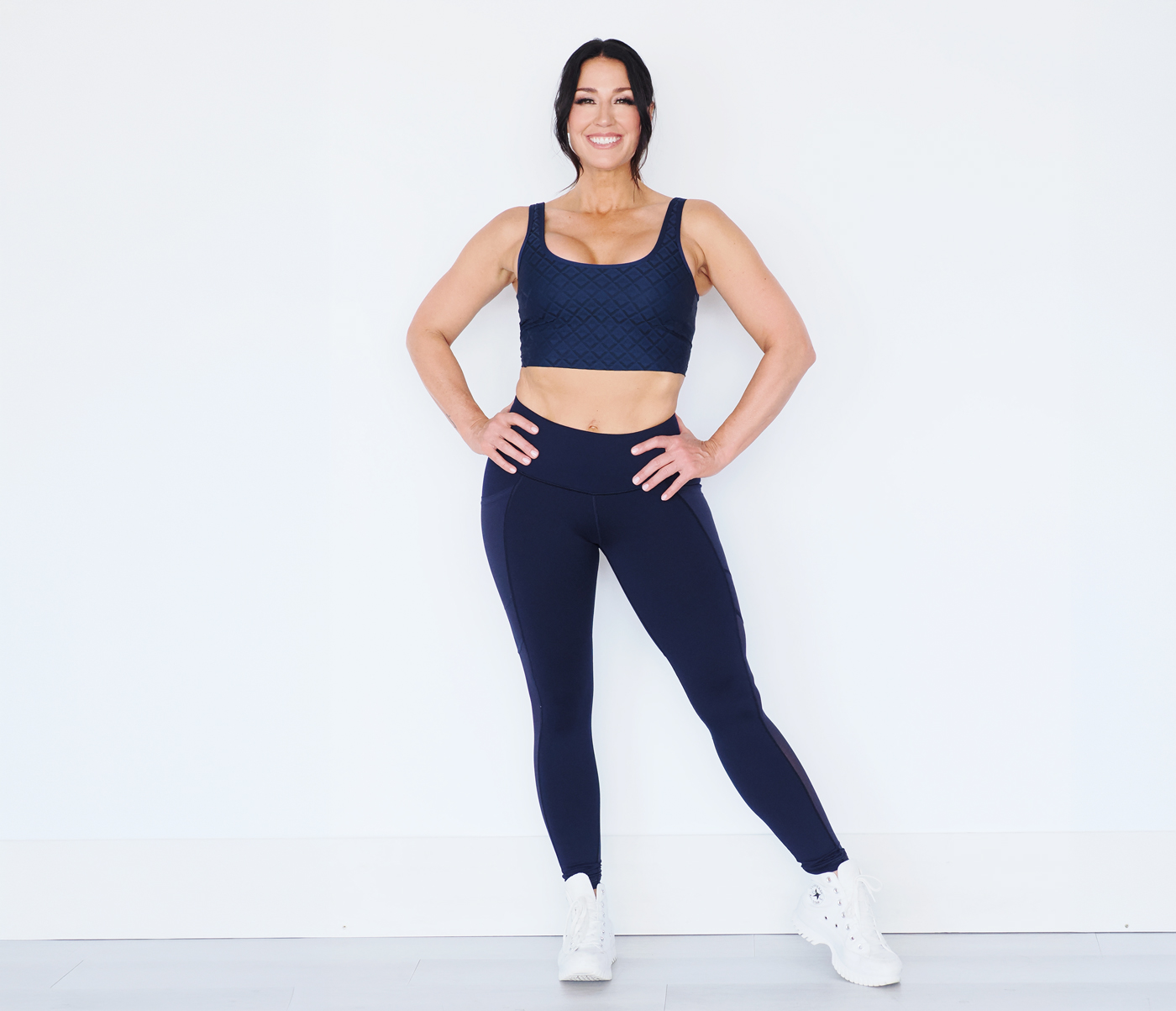
Have you ever felt that pull when the weather shifts, like it’s time to get moving again after a long, stagnant winter? Maybe you have the urge to do something—and do it fast.
Do you find yourself going straight to running because it feels like the quickest way back to a routine, even if your body isn’t quite there yet? Well, you’re not alone. The thing is, you shouldn’t be pushing harder this spring. Moving smarter—and differently—is the secret to starting these warmer seasons off on the right foot, literally and figuratively.
Why We Default to Running
For years, the formula was simple: run more, sweat more, and burn more. And in your twenties, it probably worked. But as you enter midlife, your body often asks for something more intentional as your hormones begin to shift, recovery changes, and you find that sleep, stress, and life demands all start to play a bigger role in how you look and feel. Fitness doesn’t happen in isolation anymore; it happens in every aspect of your life, which means your approach needs to evolve, too.
Running feels productive. It’s efficient, intense, and it gives you that “I did something” feeling. And to be clear—it’s not wrong to default to it as a starting point, or even bad in any tangible way. After all, running supports cardiovascular health and overall fitness, including your mental health, with many studies linking it to better mood and increased motivation.
But where many women get stuck is by jumping from inconsistency straight into intensity, without the proper foundation or program to build them up to success, just the pressure to perform. That’s when motivation drops, fatigue builds, and results stall.
The Exercise Underdog
Walking is a simple but powerful exercise modality that’s often overlooked. Think about it: it counts toward your weekly activity targets, supports overall health, and is one of the easiest habits to stay consistent with. And consistency is where results are built.
Walking fits into busy schedules, is appropriate for your lower-energy days, and is perfect for building real-world fitness. Instead of draining your body, it supports it. And for many women, especially in their thirties, forties, and beyond, that matters more than ever.
“Where many women get stuck is by jumping from inconsistency straight into intensity.”
Instead of asking, “What burns the most?” start asking, “What can I sustain?” A strong, balanced approach looks like this:
• Strength training three to four times per week—consider this your foundation.
• Daily movement—7,000 to 10,000 steps.
• Running—only if it serves you, and only if you choose to.
If running is your goal, don’t skip the first step! Build your base and add in consistent walking. Strengthen and stretch your body, especially the muscle groups engaged the most while you run, including your quads and calves. Then you can layer in short, gradual run intervals.
This is how your body adapts best—progressively, not aggressively. And it’s how you avoid the cycle of starting strong and stopping short.
This season will tempt you to do more, whether you’re ready to step up to the challenge or not. But doing what works and repeating it, instead of barreling ahead with a plan that might not fit where you are today, will serve you better and deliver the results you want. Women in the know train intentionally, move daily, and respect recovery, which together will build strength that lasts. Give yourself permission to walk before you run, and soon you’ll be chasing your best time on the track—because you want to, not because you have to.

