



Written by Patricia Siegel, Pelvic Health Expert
Photography by Paul Buceta
Hair & Makeup by Monica Kalra
A series dedicated to helping women strengthen their pelvic floor to live a healthier, happier life.
The pelvic floor plays a vital role in our overall health and well-being, yet it’s often overlooked until problems arise. From youth to menopause, the pelvic floor faces various challenges that can impact our quality of life. It’s essential to understand these challenges and seek solutions to maintain a healthy and happy pelvic floor.
In our youth, particularly during adolescence and early adulthood, the pelvic floor muscles can become too tight, leading to painful tampon insertion, intimacy, and pelvic exams. This condition, known as vaginismus or pelvic floor hypertonus, affects many young women. The symptoms can range from mild discomfort to severe pain, making everyday activities challenging. Young athletes, especially those participating in high-impact sports like gymnastics, dancing, or running, are at a higher risk of developing tight pelvic floor muscles due to the repeated stress and pressure on the pelvic floor.
The consequences of tight pelvic floor muscles can be far-reaching. Women may experience anxiety and stress related to intimacy, leading to difficulties in relationships. Moreover, the pain and discomfort can make it challenging to engage in physical activities, leading to a sedentary lifestyle. It’s crucial to address these issues early on to prevent long-term consequences.

"By addressing pelvic floor issues, women can regain control over their bodies and improve their overall quality of life."
After childbirth, particularly vaginal delivery, the pelvic floor muscles can become weak and stretched. Even cesarean section deliveries can lead to pelvic floor muscle weakness due to the trauma and pressure on the surrounding tissues as well as restrictions due to scar tissue and possible nerve damage. Weak pelvic floor muscles can cause urinary incontinence, fecal incontinence, pelvic
organ prolapse, painful sex, and constipation. These symptoms can significantly impact a woman’s quality of life and make everyday activities challenging.
The emotional toll of weak pelvic floor muscles should not be underestimated. Women may feel embarrassed, ashamed, or anxious about their symptoms, leading to social isolation and decreased self-esteem. It’s essential to recognize that these symptoms are common and treatable, and seeking help is the first step towards recovery.
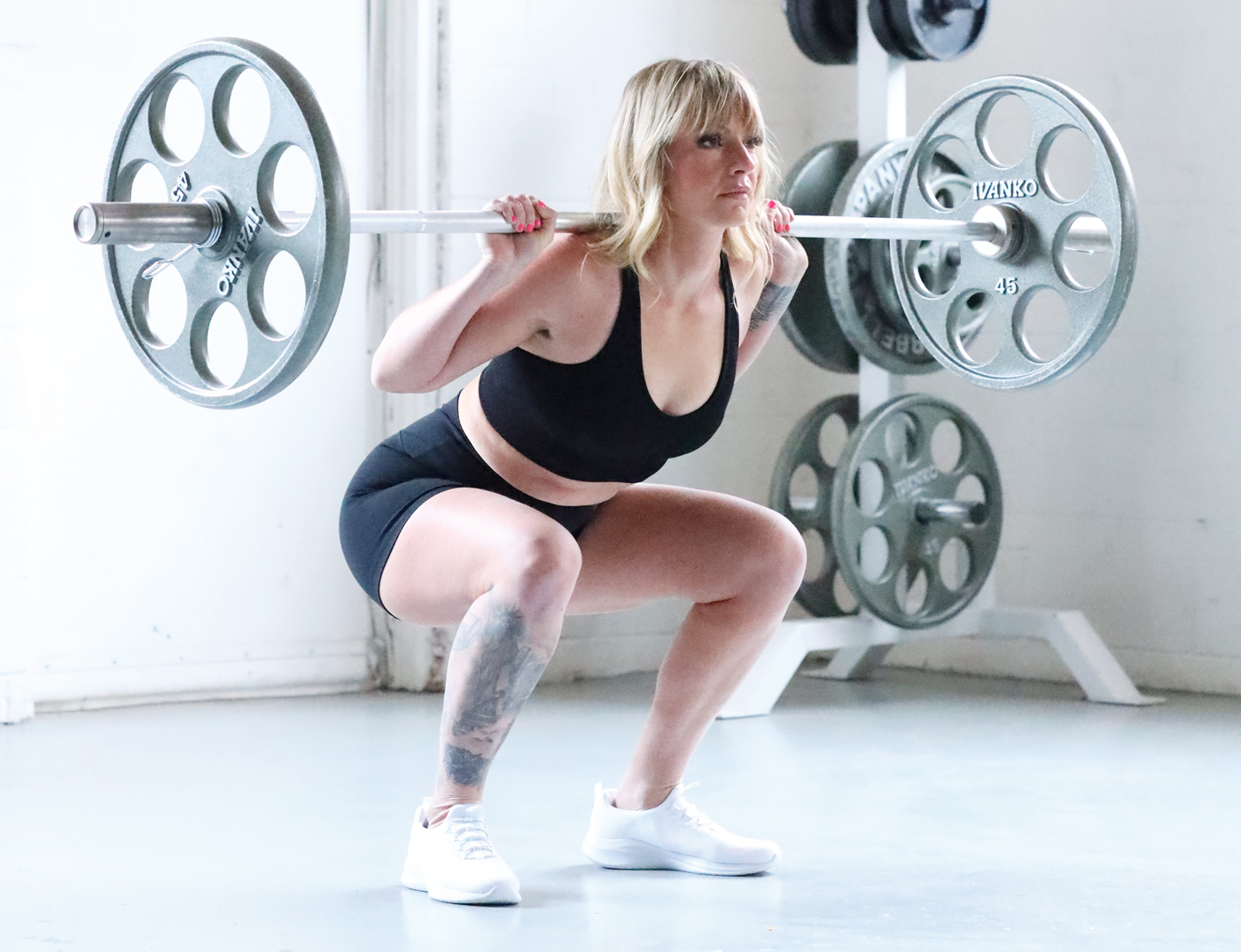
Do you let pelvic floor health issues hold you back? With help, you don’t have to.
As women approach perimenopause and menopause, hormonal changes can lead to pelvic floor dysfunction. Decreased estrogen levels can cause vaginal dryness and pain during sex, decreased libido, urinary incontinence, and pelvic organ prolapse. These changes can affect not only physical health but also emotional well-being and relationships.
The impact of pelvic floor dysfunction during perimenopause and menopause can be significant. Women may experience a decrease in intimacy and connection with their partner, leading to relationship challenges. Moreover, the physical symptoms can make everyday activities challenging, leading to a decrease in overall quality of life.
Fortunately, pelvic floor therapy can help combat these symptoms throughout the various stages of life. With an impressive 80 percent success rate, pelvic floor therapy can relax tight pelvic floor muscles, strengthen weak pelvic floor muscles, improve bladder and bowel control, enhance intimacy and libido, and reduce pain and discomfort. By addressing pelvic floor issues, women can regain control over their bodies and improve their overall quality of life. Pelvic floor therapy is a non-invasive and non-surgical treatment approach that focuses on strengthening as well as stretching and mobilizing the pelvic floor muscles and improving bladder and bowel function. Don’t let pelvic floor issues hold you back.


