


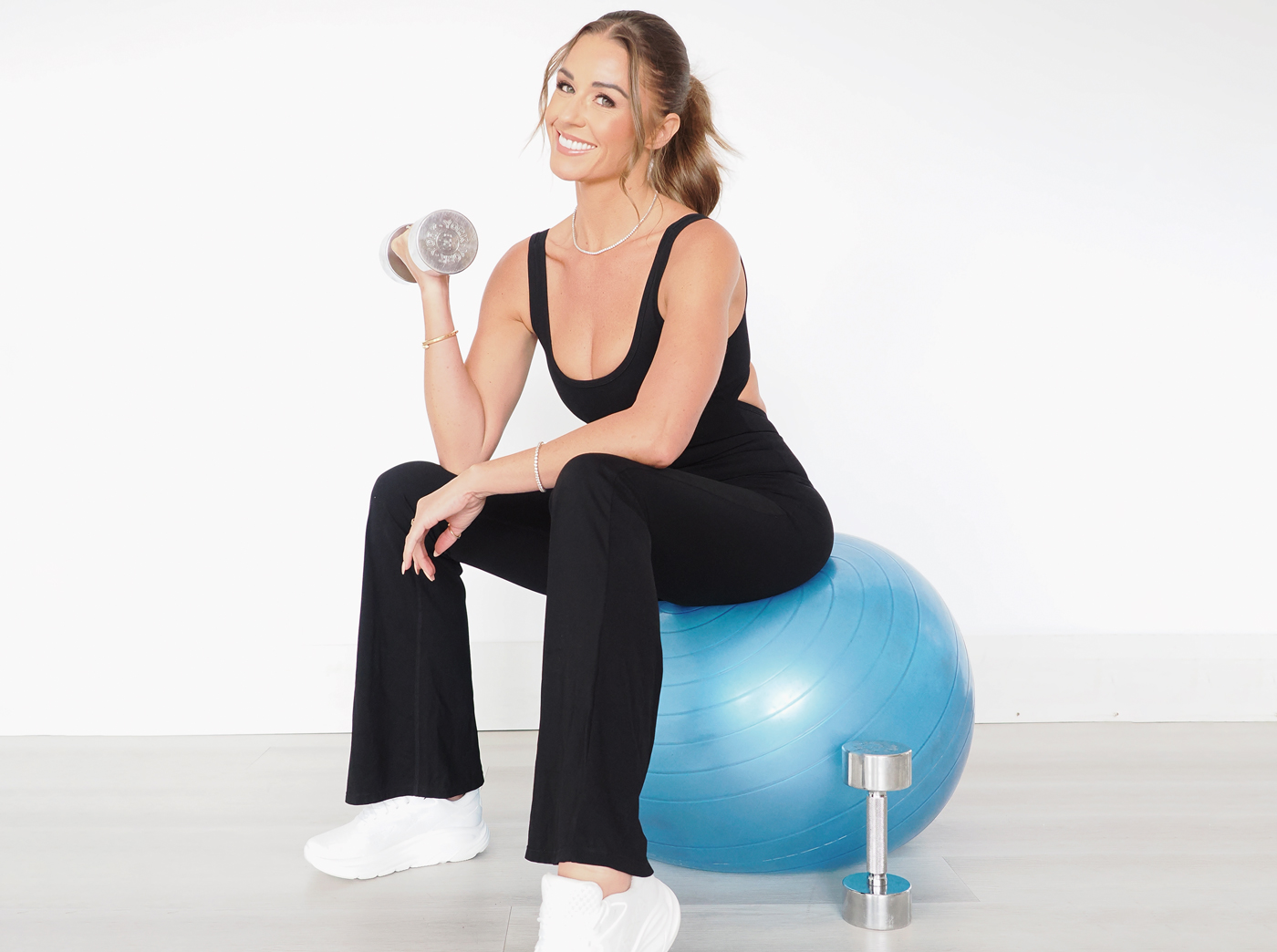
We invest a lot of time building strength in the gym. But what if the most powerful strengths you have are ones you already carry into every session?
There’s a version of you that shows up to a hard workout and doesn’t flinch, keeps going when the set gets heavy, talks herself through the doubt, and walks out of the gym feeling not just tired and proud but more alive. You’ve met her before. Maybe only in glimpses, but she’s been there.
Here’s what positive psychology tells us about that woman: she’s not an accident, and she’s not simply made of muscle—she’s made of strong character. The same science that explains why your mindset shapes your performance also reveals something extraordinary: each one of us is born with a unique set of innate character strengths. Not skills you’ve acquired, not traits you’ve forced—strengths that are deeply, authentically you. And when you learn to identify them and channel them intentionally, you become stronger, more successful, and more energized—in your training and far beyond.
What Are Character Strengths?
Character strengths are the positive personality traits that energize us and reflect who we are at our best. According to the VIA (Values in Action) Classification of Character Strengths, one of the most well-researched frameworks in positive psychology, there are 24 universal strengths that every person possesses to some degree—things like bravery, curiosity, perseverance, creativity, kindness, leadership, and love of learning.
Your top strengths—typically your highest five, known as your signature strengths—are the ones that feel most natural to express, and they’re going to be different for everyone. Using them doesn’t drain you; it fuels you. But here’s the thing: while simply discovering your top strengths is enough to give you a boost, actively applying them to your day-to-day life is the rocket fuel for your goals.
Research from the VIA Institute on Character shows that people who use their signature strengths daily report higher levels of well-being, engagement, and meaning. And when you bring those strengths into a challenging context like your workout in the gym, you don’t just perform better; you connect more deeply with why you’re there, and you’ll enjoy your experience so much more.
You don’t need to become someone else to be strong. You are already strong—you just need to discover which top strengths are yours.
“Character strengths … reflect who we are at our best.”
Inner Strength Meets Outer Strength
In the gym, we tend to celebrate physical strength, whether it be the weight on the bar, the reps completed, or the body, mind, and spirit that you bring week after week. That strength is real, and it’s worth celebrating.
But here’s what I’ve seen in over 20 years of coaching women to their personal, professional, and physical goals. The women who achieve lasting results—the ones who don’t just get fit but truly transform—aren’t the ones who find the perfect program or put in the most hours in the gym. They’re the ones who learn to use who they already are as their greatest performance tool.
Your outer strength—what your body can lift, endure, and recover from—is built rep by rep. Your inner strength is the character that decides how many reps you do, how you talk to yourself between sets, and whether you show up at all on the days it feels impossible. Both matter—and they’re more connected than you think.
I was working with a client recently who wanted to transform the culture in her organization. She was exhausted from constantly trying to motivate her team, pulling people forward through sheer force of will, and wondering why it wasn’t working. So we ran strengths profiles using CliftonStrengths as well as the VIA Character Survey (see “How to Discover Your Strengths,” below) for everyone. We looked at where individual strengths complemented each other, where communication had broken down because people were simply wired differently, and where small shifts in responsibility could unlock something bigger. The result? Skyrocketing morale, a deeper appreciation for what each person brought to the table, and a culture finally rooted in real performance instead of pressure.
Don’t Just Train Your Muscles
Here’s the part that changes everything: once you know your strengths, you can deploy them deliberately. And just in case you weren’t already convinced and raring to find out what your top five strengths are, there’s this: using your strengths actually improves how you build relationships, increases happiness and well-being, reduces symptoms of depression, boosts confidence and productivity, and makes you more resilient.
If “perseverance” is a top strength for you, use it consciously during your hardest sets. When everything in you wants to stop, remind yourself that this is where you’re made, and where your strength gets activated.
If “creativity” is a signature strength, stop forcing yourself to follow a rigid program you hate. Remember: training that excites you is training you’ll actually be able to sustain.
If “kindness” is one of yours, channel it inward first. Notice the way you speak to yourself during a tough session. A strength of kindness applied to your own performance means less self-criticism and more self-compassion, which research shows actually improves resilience and consistency in training.
If “leadership” or “teamwork” drives you, find a training partner or try a group class. Notice how much more alive your workouts become when you’re connected to others. Your strength is relational, so your training probably should be, too.
Just like the rest of life, the point isn’t to fit your training into a box that’s the same as everybody else’s—it’s to build a practice that perfectly fits you.
The Strongest Version of You
Here’s what I want you to know: strength isn’t something you have to construct from scratch. It was never missing. It’s been there in every rep you’ve pushed through, every early alarm you’ve answered, every time you’ve chosen yourself. You’ve been building outer strength in the gym for a long time. Now it’s time to train your inner strength with the same intentionality.
Discover your character strengths. Learn to name them. And then bring them into every session, every set, every moment where it would be easier to stop—and then choose not to. Strength is not just about fitness but about becoming who you were always meant to be.
